
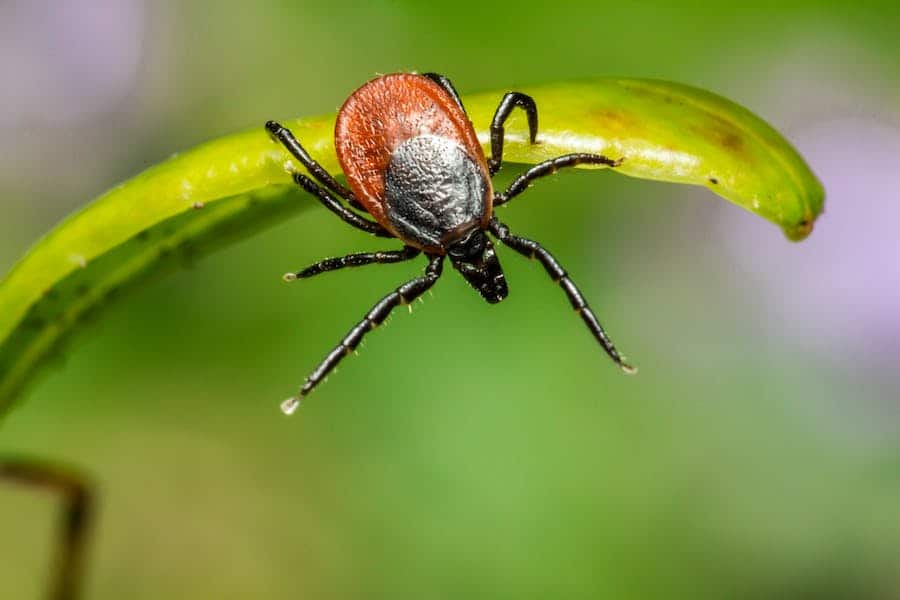
The presence of ticks within one’s home can be a concerning issue that poses potential health risks to both humans and pets. Ticks, often associated with outdoor environments, are ectoparasites that can find their way indoors under certain conditions. This article aims to shed light on the question, “Can ticks live in your house?” by delving into the types of ticks that may infest homes, the health risks associated with indoor infestations, and the essential steps for prevention and removal. Understanding these aspects is crucial for maintaining a safe and tick-free living environment. Read on to discover the facts about ticks in your home and how to safeguard against them.
Can Ticks Live In Your House?
Yes, ticks can live in your house, although it’s not their preferred habitat. They may enter your home through pets, clothing, or open doors and windows. Once indoors, ticks can hide in cracks, crevices, and other hiding spots. While not common, indoor tick infestations can occur, posing health risks. It’s essential to take preventive measures and promptly address any tick infestations to maintain a tick-free home environment.
Life Cycle And Habits Of Ticks
Ticks undergo a complex life cycle comprised of four distinct stages: egg, larva, nymph, and adult. Understanding their life cycle is crucial in managing and preventing tick infestations.
- Egg Stage: The life cycle begins when a female tick lays a batch of eggs. These eggs can range in number, often from a few hundred to thousands, depending on the tick species. Typically, ticks lay their eggs in environments with adequate moisture, such as leaf litter or soil.
- Larval Stage: Once the eggs hatch, tiny six-legged larvae emerge. During this stage, larvae seek out a host to feed on blood. They are often very small and challenging to detect. Larvae then drop off their host and molt to the next stage.
- Nymph Stage: After molting, ticks become eight-legged nymphs. Nymphs, like larvae, actively search for a host to feed on. At this stage, they are larger and more recognizable but still considerably smaller than adult ticks. Once engorged with blood, they drop off the host and molt again.
- Adult Stage: Nymphs develop into adult ticks, which are usually the largest and most easily visible stage. Adult ticks also require a blood meal, and they often seek larger hosts, such as mammals like deer or humans. After feeding, they mate, and the females lay eggs, completing the life cycle.
Health Risks Associated With Indoor Tick Infestations
Indoor tick infestations can pose various health risks to humans and pets. Here are some of the key health concerns associated with ticks in your home:
- Transmission Of Tick-Borne Diseases: Ticks are vectors for several diseases, including Lyme disease, Rocky Mountain spotted fever, and babesiosis. When ticks infest your home, they can transmit these pathogens to you or your pets if they attach and feed. Early diagnosis and treatment of tick-borne illnesses are essential to prevent severe health consequences.
- Allergic Reactions: Some individuals may develop allergies to tick bites, which can result in localized or systemic allergic reactions. Symptoms can include itching, swelling, and skin irritation. In severe cases, anaphylaxis may occur, necessitating immediate medical attention.
- Skin Irritations: Even without allergies, tick bites can lead to skin irritations, redness, and discomfort. Scratching the bite area may increase the risk of secondary infections, making prompt tick removal essential.
- Psychological Impact: An infestation of ticks in your home can cause significant stress and anxiety. The fear of tick bites, especially if you have children or pets, can have a lasting psychological impact on household members.
- Risk To Pets: Indoor tick infestations can affect your pets, leading to tick-borne diseases, skin irritations, and anemia. If left untreated, these conditions can be life-threatening to your furry companions.
- Secondary Infestations: Tick infestations may attract other pests, such as rodents, which can carry their own health risks and lead to further household issues.
- Long-Term Health Effects: Certain tick-borne diseases, if not diagnosed and treated promptly, can have long-term health effects, including joint problems, neurological issues, and chronic fatigue.
Identifying Indoor Tick Infestations
Identifying indoor tick infestations is essential for prompt action and prevention of health risks. Here are some key steps and signs to help you recognize the presence of ticks in your home:
- Visual Identification: Examine your pets and family members for ticks after spending time outdoors, particularly in tick-prone areas. Adult ticks are relatively easy to spot, as they are larger and can be seen crawling on the skin. Nymphs and larvae are smaller and more challenging to detect.
- Bite Symptoms: If you or your pets experience unexplained itching, redness, or discomfort, it may be a sign of tick bites. Check for small, red, circular rashes that can resemble a bull’s-eye pattern, which is common in Lyme disease cases.
- Tick Crawling On Walls Or Floors: Sometimes, ticks may be spotted crawling on walls or floors. Pay close attention to corners, crevices, and areas where pets frequently rest.
- Inspect Bedding And Furniture: Ticks can hide in bedding, upholstered furniture, and carpets. Check these areas regularly for any signs of ticks or their droppings, which can look like tiny black specks.
- Pets’ Behavior: Observe your pets for unusual behavior, such as excessive scratching or licking, which could indicate tick bites or discomfort caused by ticks.
- Tick Eggs And Nymphs: Be aware that ticks lay eggs in hidden spots. If you find clusters of tiny, oval-shaped objects (tick eggs) or very small ticks (nymphs) around your home, it’s a sign of an infestation.
- Outdoor Exposure: If you or your pets spend a lot of time outdoors in tick-prone areas, it increases the likelihood of indoor tick infestations. Regularly check for ticks upon returning indoors.
- Tick Removal: If you find a tick attached to your skin or your pet’s fur, carefully remove it with fine-tipped tweezers. Save the tick for identification and consult with a medical professional or veterinarian if necessary.
Preventing Tick Infestations In Your Home
Preventing tick infestations in your home is crucial to protect your family and pets from tick-borne diseases and discomfort. Here are effective strategies to keep ticks out of your house:
1. Pet Care And Tick Control:
Use tick-preventive products recommended by veterinarians for your pets. Regularly check and groom your pets for ticks, especially after outdoor activities. Create a tick-free zone for pets by maintaining a well-landscaped yard.
2. Proper Landscaping And Yard Maintenance:
Keep grass trimmed short and remove tall weeds and overgrown vegetation. Create a barrier between wooded areas and your yard, such as a wood chip or gravel path. Consider using tick-repellent landscaping techniques, like applying acaricides to the perimeter of your property.
3. Securing Entry Points:
Seal cracks and gaps in doors, windows, walls, and foundations to prevent ticks from entering your home. Use weather stripping to seal gaps beneath doors. Install fine mesh screens on doors and windows to keep ticks out while allowing ventilation.
4. Regular Inspection And Cleaning Routines:
Conduct regular tick checks on family members and pets, especially after spending time outdoors. Shake out and inspect outdoor gear and clothing before bringing them inside. Vacuum your home frequently, paying attention to carpets, rugs, and upholstered furniture.
5. Tick Repellents And Pesticides For Indoor Use:
Use tick repellents on yourself and your pets when spending time outdoors in tick-prone areas. Consider applying indoor tick control products approved for use in homes. Consult a pest control professional for guidance on safe and effective options.
6. Educate Your Family:
Teach your family members, especially children, about tick awareness and safety measures. Encourage them to wear appropriate clothing when in tick-prone environments and to perform tick checks after outdoor activities. Remove Attractive Habitats: Remove leaf litter, brush piles, and any debris that could provide hiding spots for ticks near your home.
7. Professional Pest Control Services:
If you have persistent tick infestations or are in an area with a high tick population, consider hiring a pest control expert for regular inspections and treatments. By implementing these preventive measures, you can significantly reduce the risk of tick infestations in your home, ensuring a safer and healthier living environment for you, your family, and your pets.
Conclusion
In conclusion, maintaining a tick-free home is paramount for the well-being of your family and pets. While ticks may occasionally find their way indoors, proactive prevention measures and swift removal techniques can effectively mitigate the risks associated with indoor tick infestations. By staying vigilant, educating yourself and your family, and seeking professional assistance when needed, you can create a safer and healthier living environment. Remember that prevention is key, and by taking these steps, you can enjoy peace of mind and reduce the chances of tick-borne diseases affecting your household.
